

What is a fashion trend? The latest craze on TikTok?
No, it goes back much further than that.
PBM – for those who are not (yet???) familiar with it – first emerged in the 1960s, thanks to the research of the Hungarian physicist Endre MESTER. Endre MESTER is regarded as the father of photobiomodulation; he discovered that the use of low-power light or lasers produces beneficial biological effects in tissues. He carried out experiments on rats and noticed by chance that the low-power laser did not cause cancer, but accelerated wound healing and stimulated hair regrowth.
From 1971 onwards, Mester applied these findings to humans and reported favourable results in the treatment of chronic or hard-to-heal wounds and ulcers, as well as certain anti-inflammatory effects.
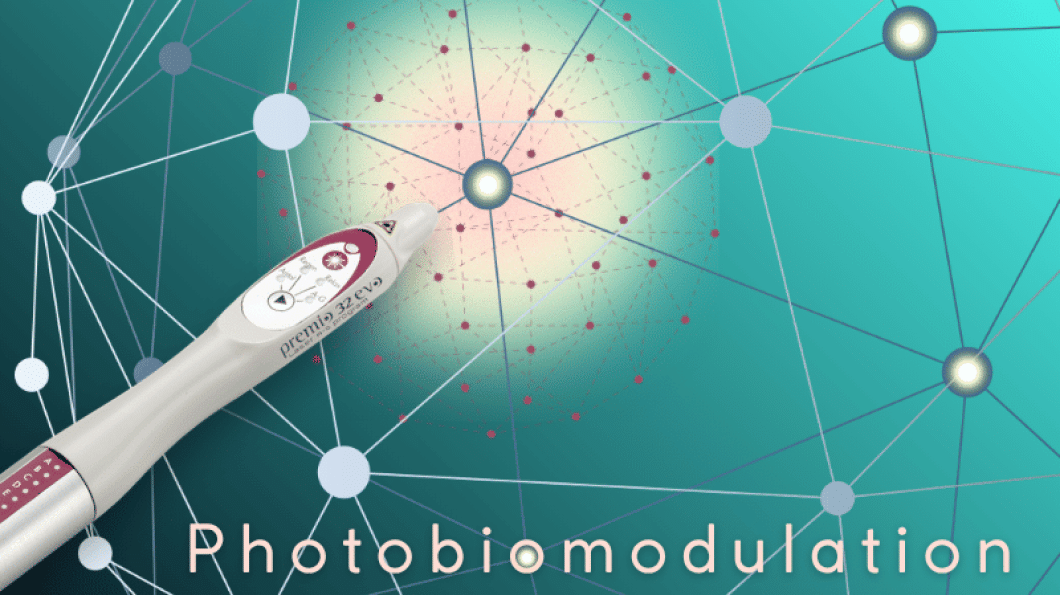
Photobiomodulation (PBM) is a non-invasive therapy that uses red and near-infrared light (via low-intensity lasers or LEDs) to stimulate cell regeneration and reduce inflammation. [1]
How does it work?
Cellular action: The light penetrates the tissues and targets the mitochondria (the cells’ powerhouses).
Energy production: It stimulates the production of ATP (adenosine triphosphate), which accelerates the repair of damaged tissues.
Biological effects: It reduces oxidative stress, reduces pain transmission and modulates local inflammation. [1, 2]
Main medical and aesthetic applications:
In oncology (supportive care): It helps to prevent or treat mucositis (mouth sores) and radiation dermatitis (skin burns) caused by radiotherapy or chemotherapy, without interfering with anti-cancer treatments. [1, 2]
In dermatology and aesthetics: It is used (particularly via LED masks) to stimulate collagen production, reduce wrinkles and improve skin healing. [1]
In pain management: It relieves joint, muscle or chronic pain and speeds up physical recovery. [1]
Here’s what they have to say about it
Light and health: photobiomodulation explained by Dr Rault – Dijon Bourgogne
University Hospital
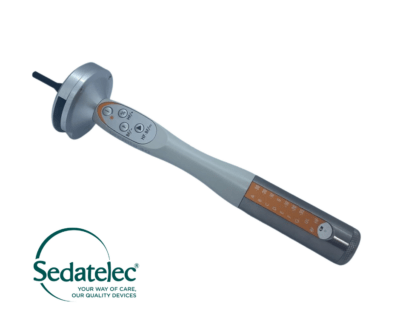
PREMIO 32 EVO A-G: Photobiomodulation laser from Sedatelec
Our flagship products
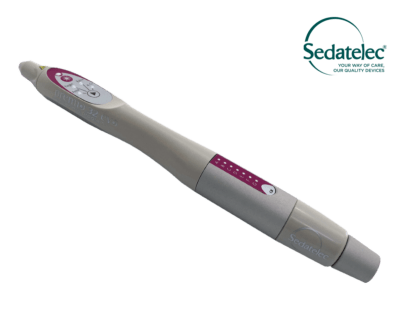
Premio 32 evo laser
This is a cold bio-modulation laser with a wavelength of 905 nm.
The peak power is 100 watts. The pulses emitted are shorter than 100 ns and are ‘super-pulsed’, meaning that a large number of pulses are emitted in a very short time – significantly increasing the effectiveness of the biostimulation.
The energy delivered is 2.5 J/cm²/30 sec
Premio 32 evo laser
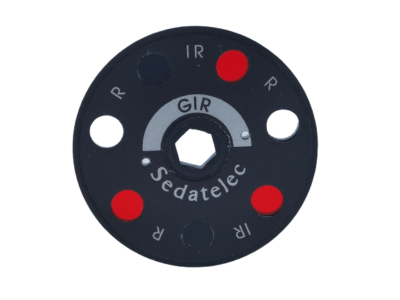
Premio 40 Light
This is a photo-bio-modulation light device.
A device for colour detection and stimulation using continuous or pulsed light. This high-precision instrument is ideal for auriculotherapy, photonic medicine and chromotherapy.